
WFR Førstehjelpskurs Friluftsliv (7-dagers)
The Wilderness First Responder (WFR) course is designed for outdoor professionals and enthusiasts who operate in remote and demanding environments. It is widely recognised as an industry standard for guide services, outdoor programmes, and environmental education across Europe.
This course focuses on patient care beyond the “golden hour,” where evacuation may be delayed and responders must work under challenging conditions with limited resources. Participants develop practical skills and clinical reasoning, with a strong emphasis on anatomy and physiology to support informed decision-making in traumatic, environmental, and medical situations.
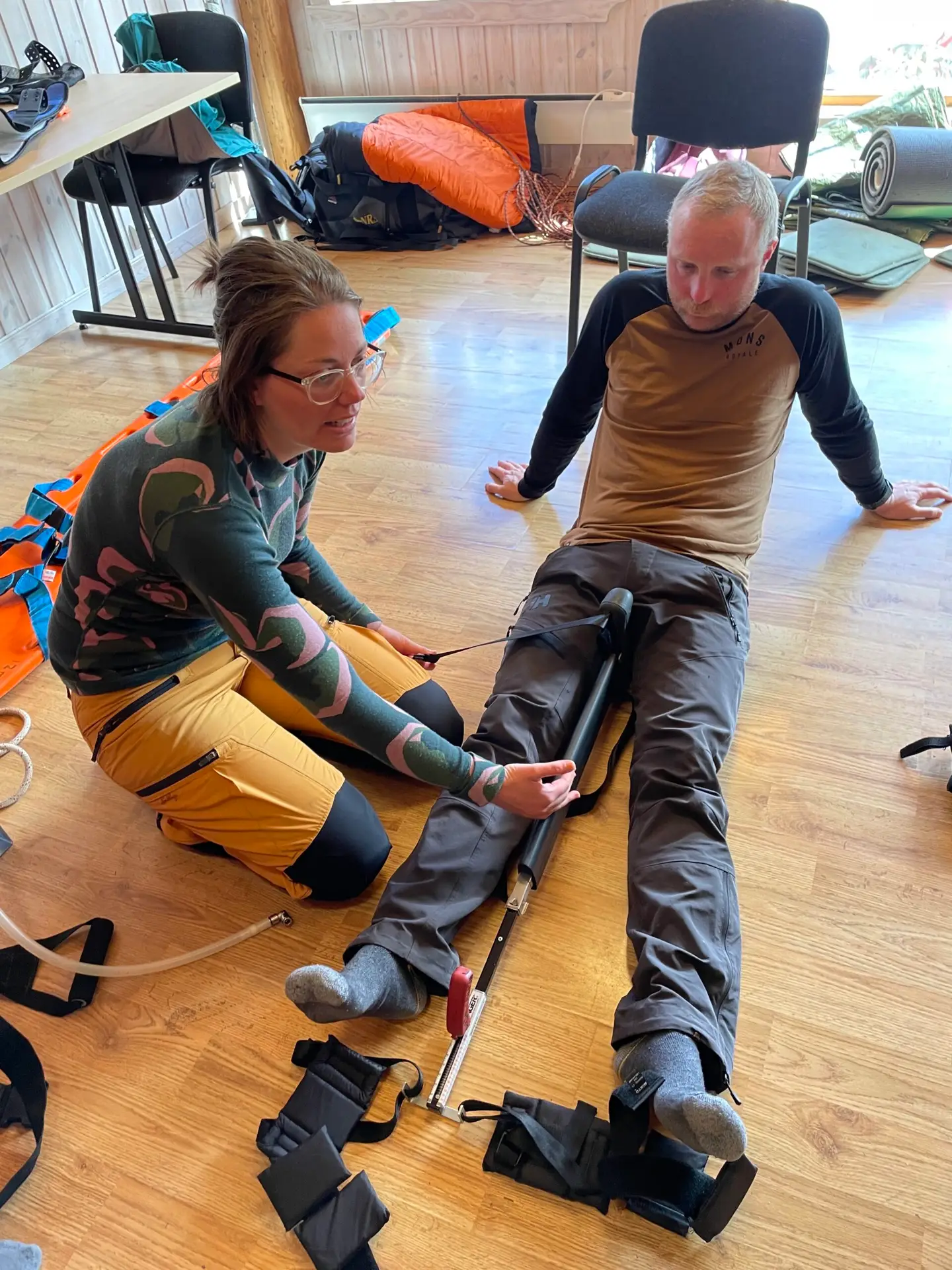
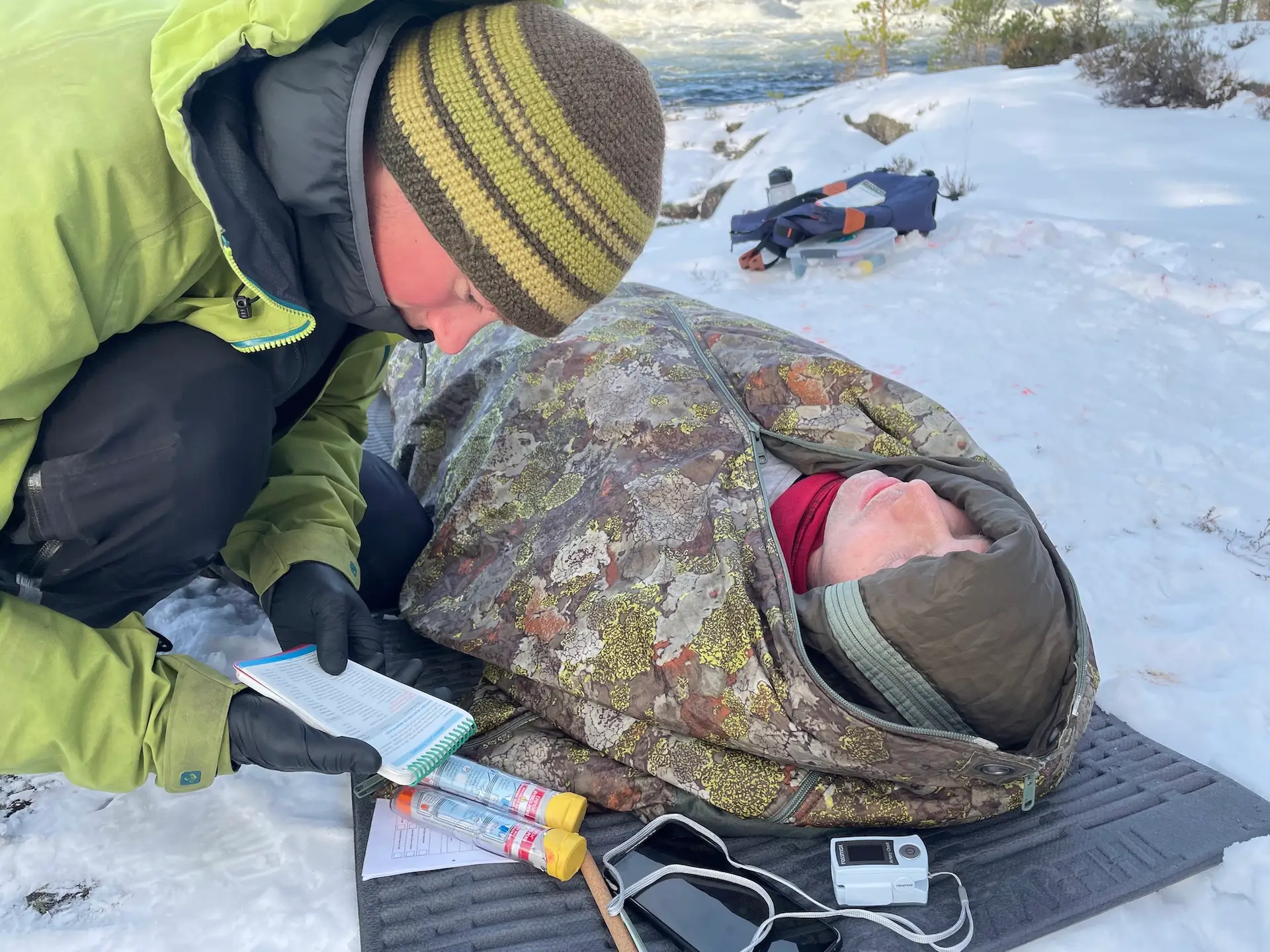
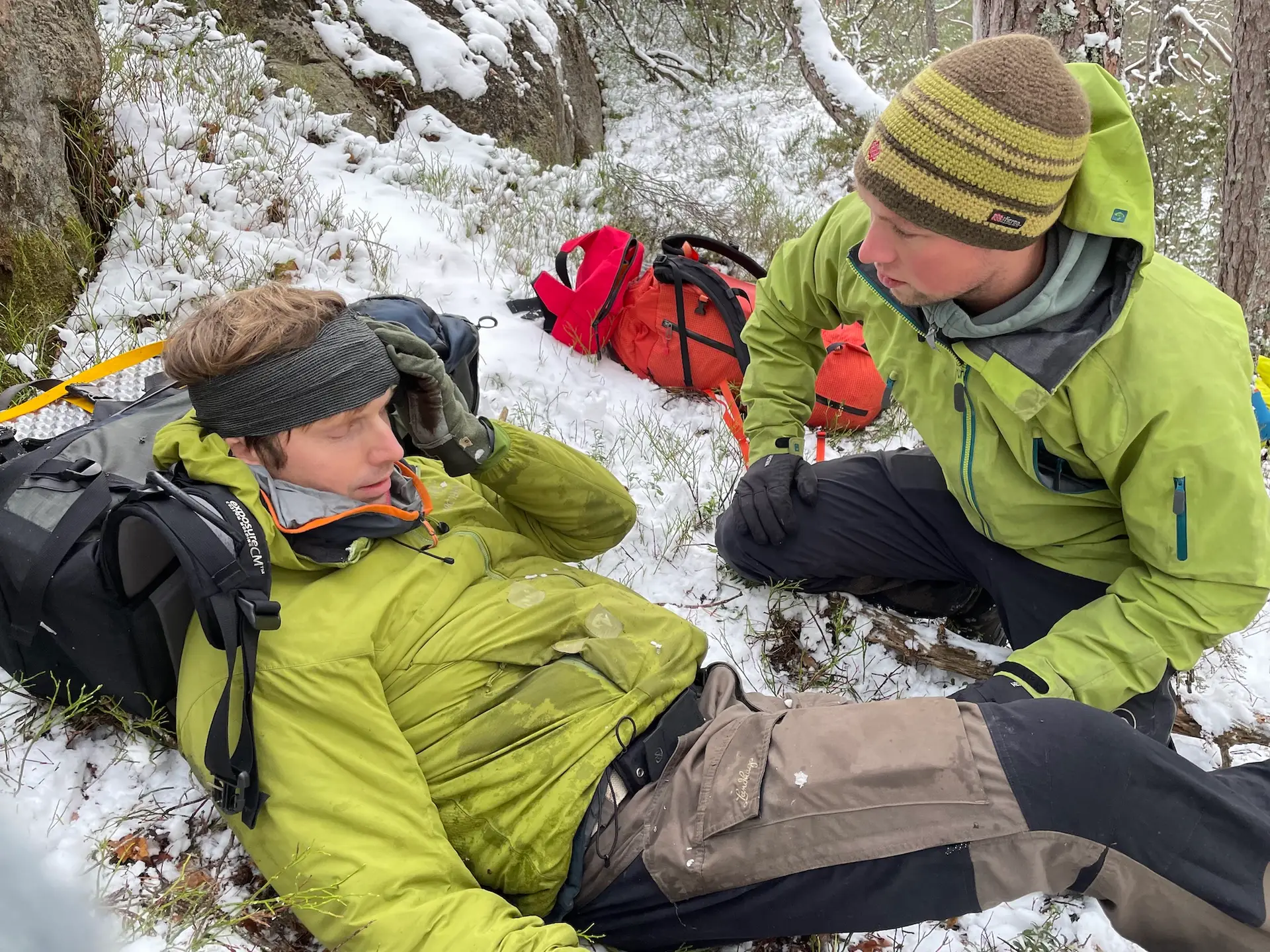
Training combines classroom learning with hands-on field scenarios, ensuring participants can confidently apply their knowledge in real-world settings. Instruction encourages critical thinking through a systems-based approach, helping students assess and manage patients effectively in the wilderness context.
Full attendance is required. Depending on season and conditions, the course may include a night exercise to simulate realistic rescue scenarios. Skills are assessed continuously through practical evaluations and final scenario-based testing, alongside a comprehensive written exam.
The course includes certification in CPR (adult, child, and infant), AED use, and standard first aid, aligned with current European resuscitation guidelines.
Our WFR certification is valid for three years.
Read more
This programme follows the standards set by the Wilderness Medicine Education Collaborative (WMEC), which recommends a minimum of 70 hours of in-person instruction to ensure sufficient depth and competency in wilderness medicine. We strongly believe that hands-on, face-to-face training is essential for developing the skills required in remote care.
Courses can be delivered on location for universities, organisations, outdoor programmes, and private groups throughout Norway and Scandinavia.
WFR – Wilderness First Responder Course Curriculum
The course outline may be adjusted due to unforeseen circumstances or to improve the dynamics of the course.
- Introduction to wilderness medicine and course framework
- Legal considerations and role of the responder
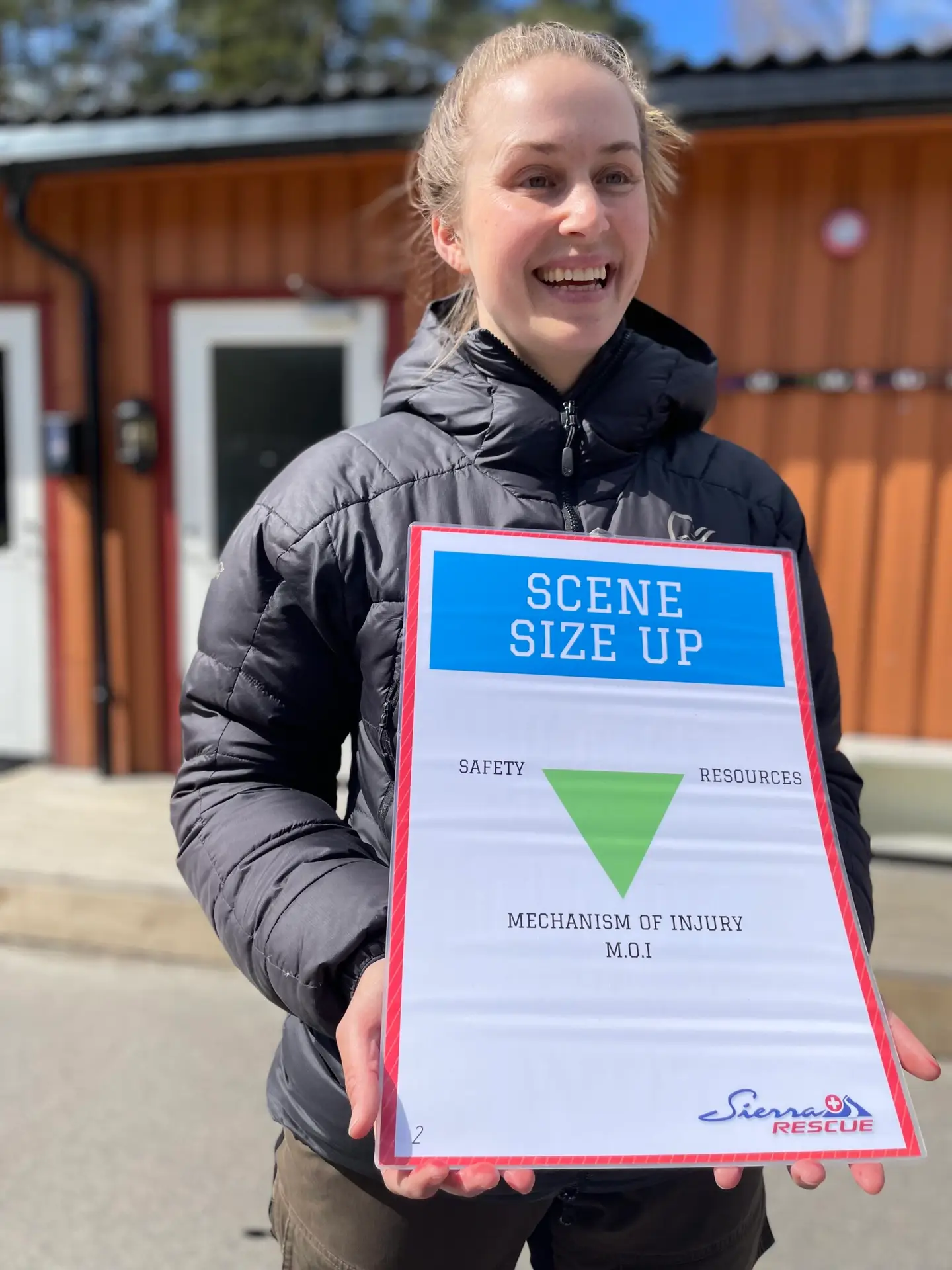
- Patient Assessment System (PAS) and scene management
- Human Anatomy & Physiology
- Respiratory system
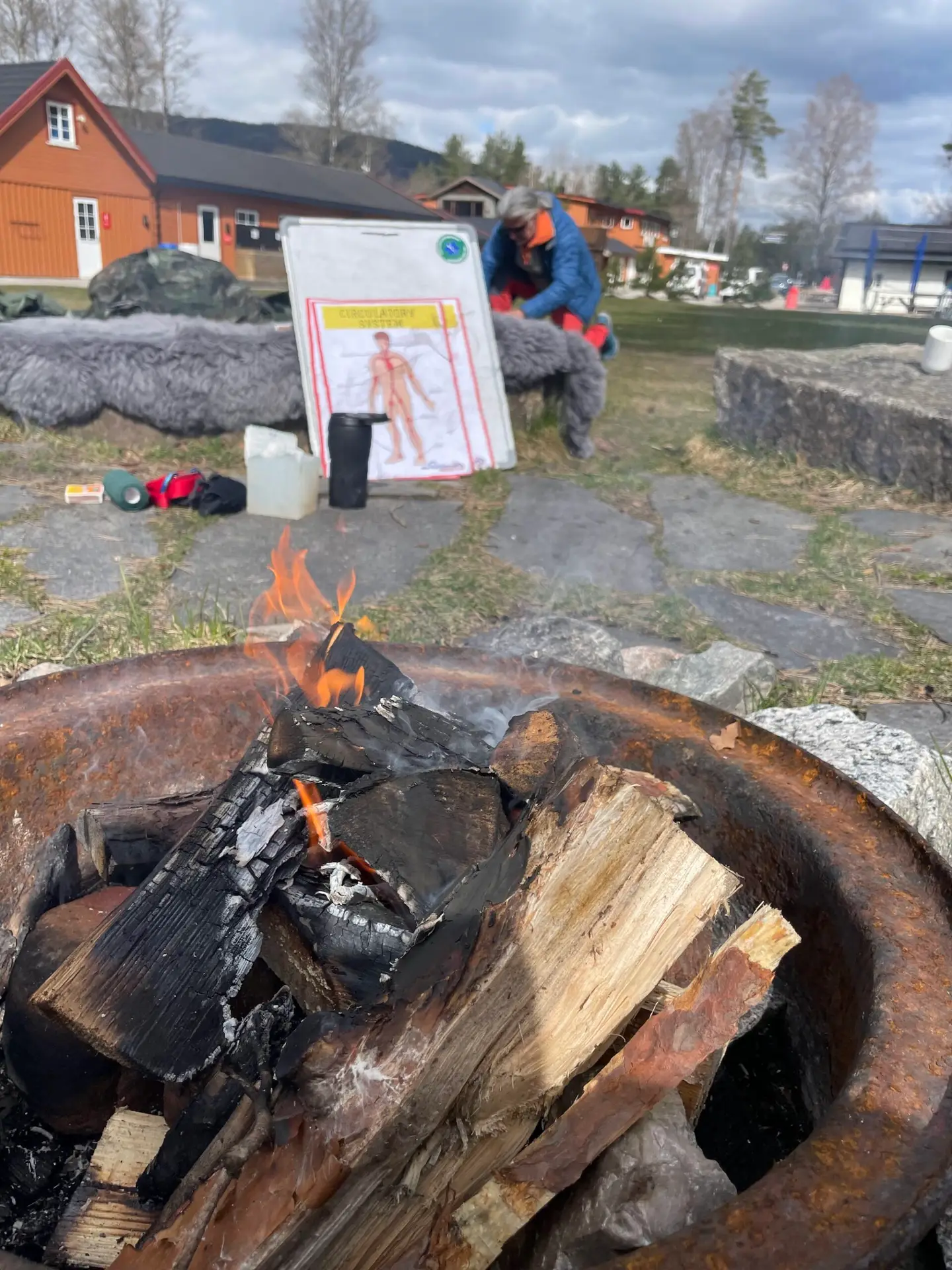
- Circulatory system
- Nervous system
- Musculoskeletal system
- Gastrointestinal and genitourinary systems
- Basic Life Support (BLS)
- Airway management
- Cardiopulmonary resuscitation (CPR) and AED use
- Bleeding control and shock management
- Level of consciousness assessment
- Trauma Management
- Head and spinal injuries
- Chest and respiratory trauma
- Musculoskeletal injuries (stable and unstable)
- Wounds, burns, and infection prevention
- Dislocations and splinting techniques
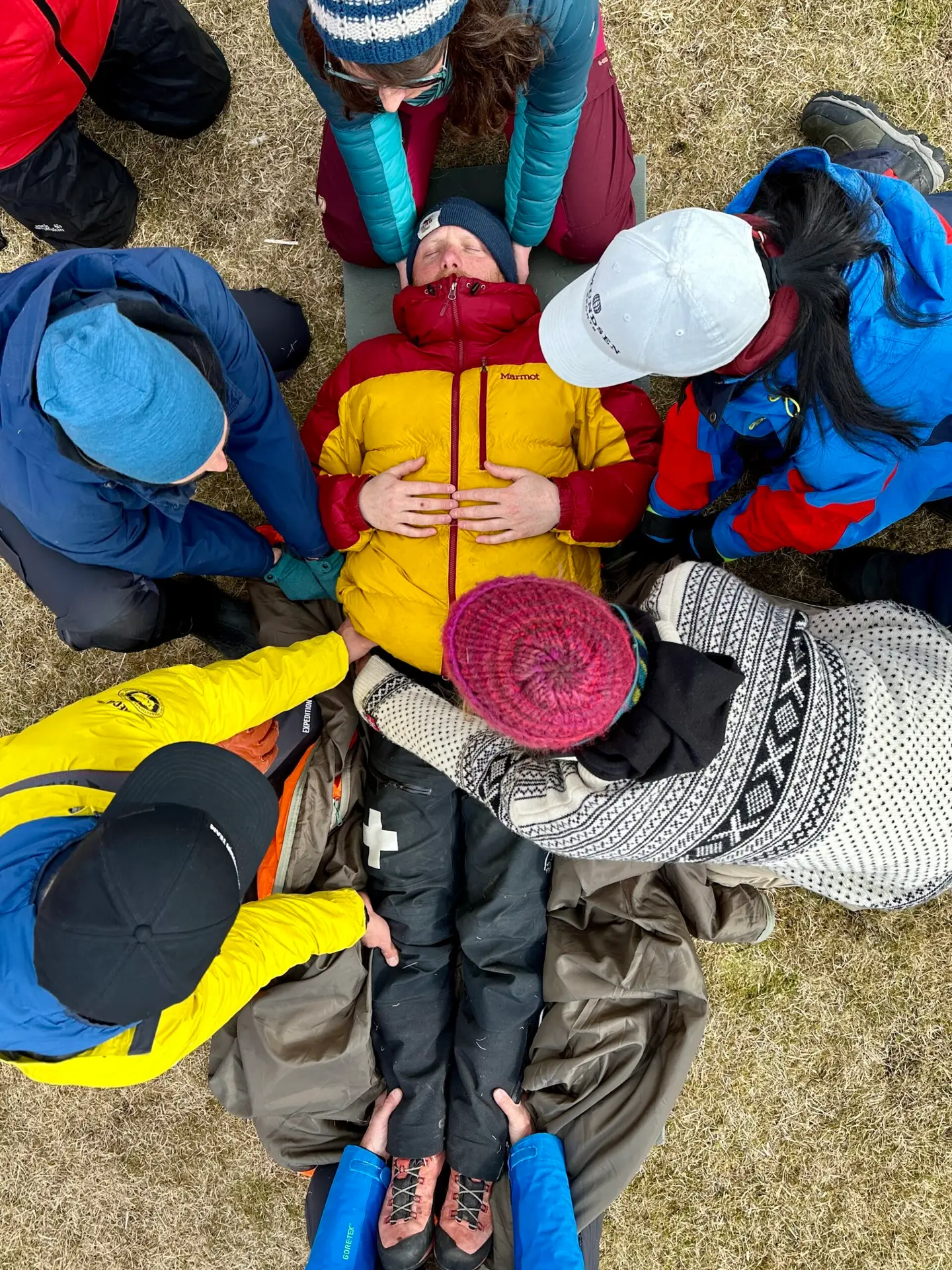
- Spinal Assessment & Patient Handling
- Spine injury assessment and clearance
- Patient stabilisation
- Backboarding and litter use
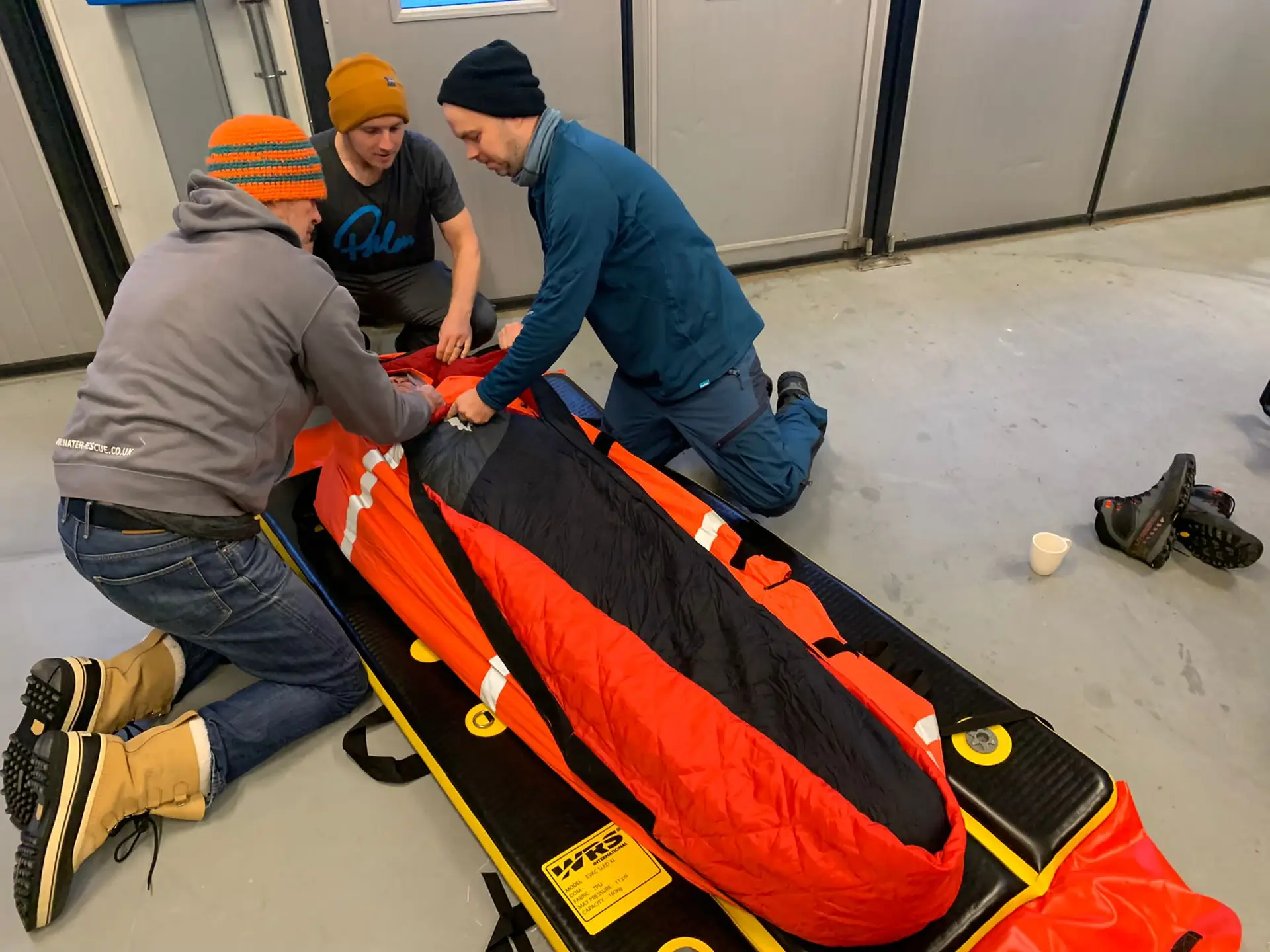
- Environmental Emergencies
- Hypothermia and cold-related injuries
- Heat-related illness and dehydration
- Altitude illness
- Near drowning
- Lightning injuries
- Toxins, Bites & Allergies
- Animal bites and stings
- Poisoning
- Anaphylaxis and use of epinephrine
- Medical Emergencies
- Respiratory conditions (e.g. asthma)
- Cardiovascular issues (heart attack, angina, stroke)
- Diabetes and metabolic conditions
- Seizures
- Infectious diseases
- Gastrointestinal and urinary conditions
- Ear, eye, nose, throat, and dental issues
- Improvised Techniques
- Splinting
- Wound care in remote settings
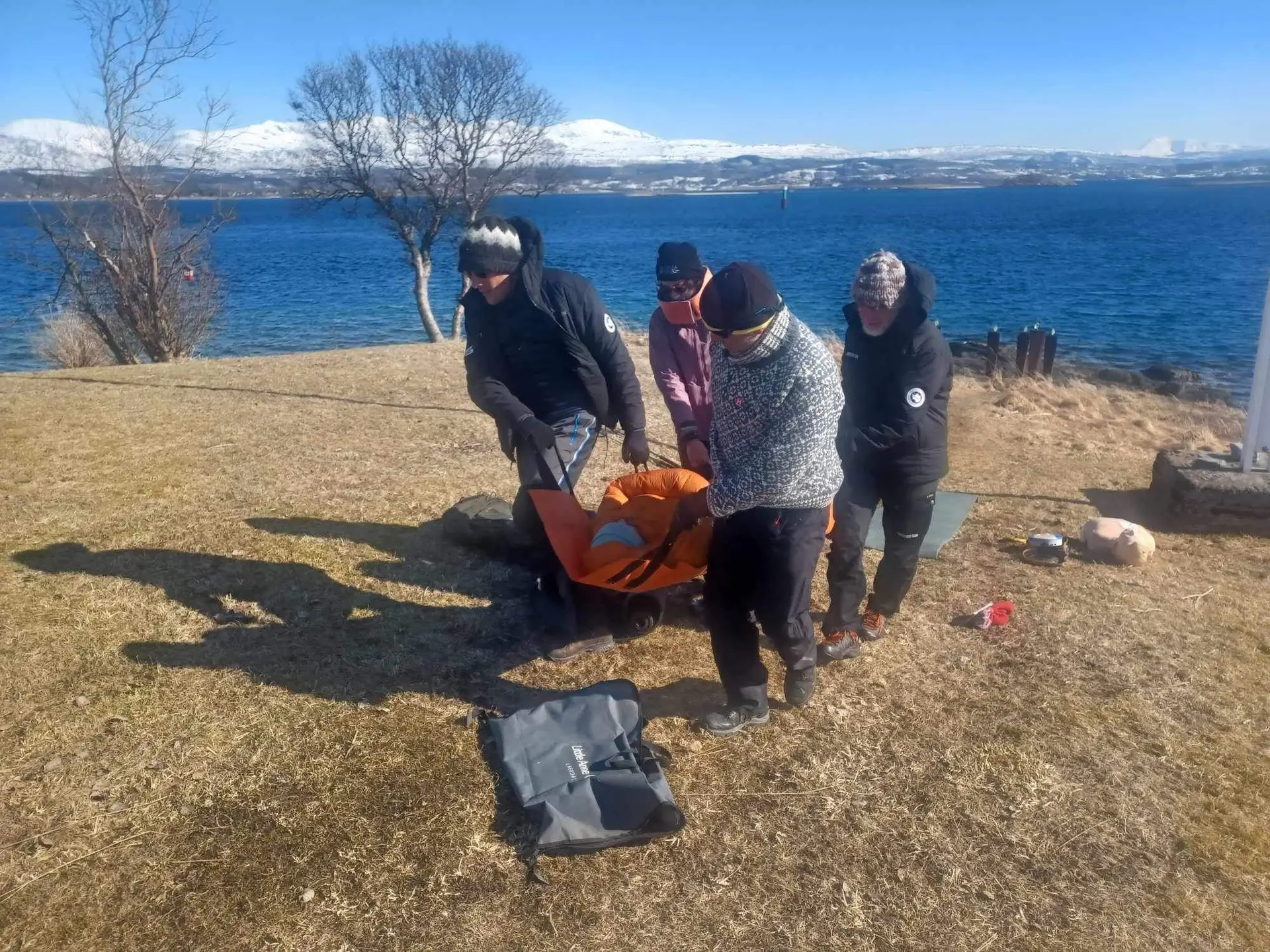
- Improvised litters and patient transport methods
- Field Skills & Scenarios
- Practical patient assessments
- Simulated emergency scenarios
- Team-based response exercises
- Mass casualty triage
- Assessment
- Written examination
- Practical skills assessment
- Final simulations
Kr. 9000,-