
5-Day Wilderness Advanced First Aid (WAFA) Course (Outdoor & Scenario-Based Training)
This 4-day Wilderness Advanced First Aid (WAFA) course is designed for outdoor professionals, guides, and individuals operating in remote environments where access to emergency services may be limited.
Building on the foundations of Wilderness First Aid (WFA), this course offers more in-depth training with a strong emphasis on practical scenarios and hands-on learning in outdoor settings.
The training is highly immersive, with extended time spent on realistic scenarios and skill-based exercises, and minimal classroom instruction. You will develop advanced patient assessment skills, improve decision-making under pressure, and gain confidence managing complex situations over longer periods in the field.
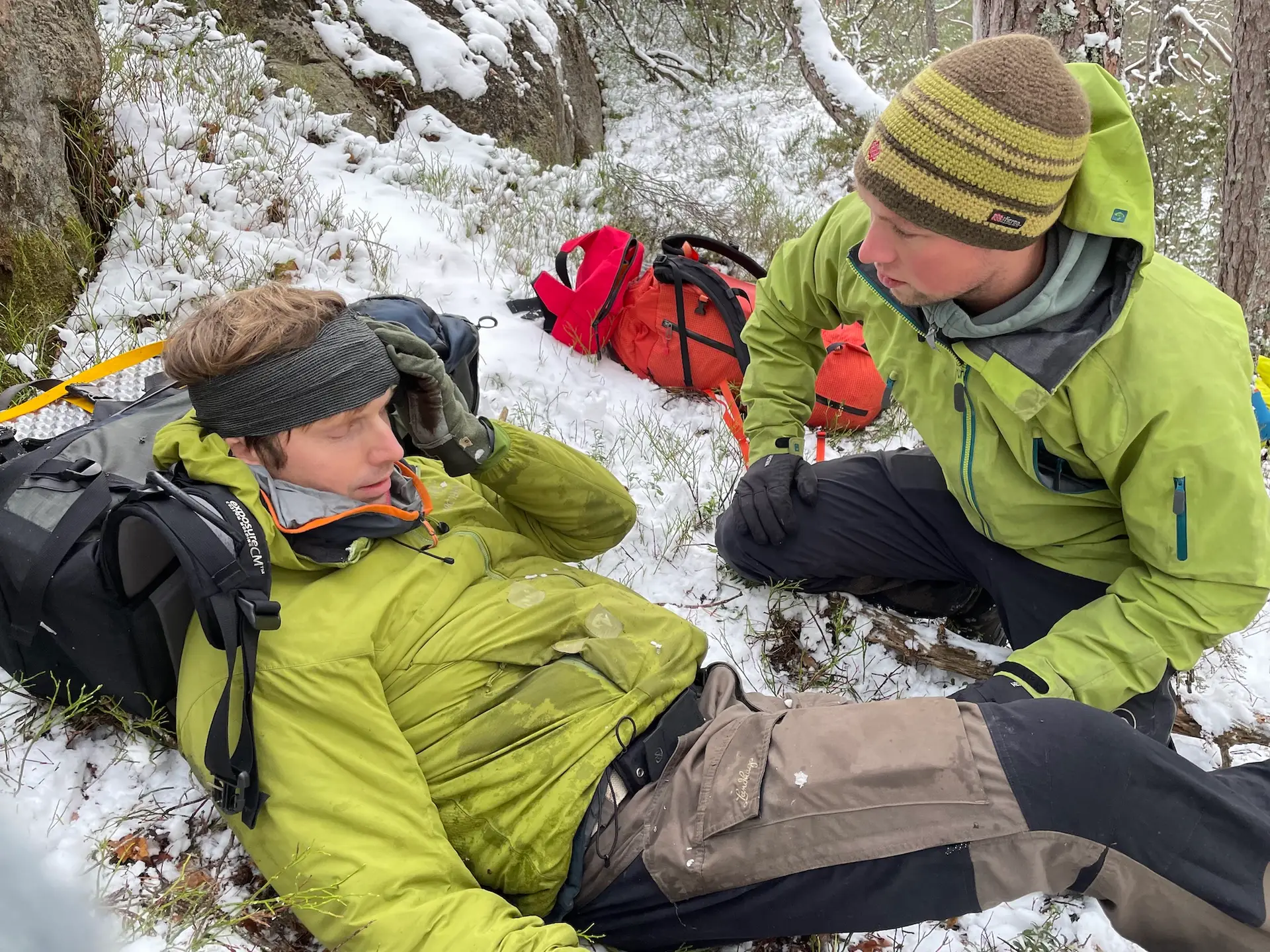
Our approach prioritises scenario-based training in natural environments, allowing you to practise leadership, teamwork, and medical response in conditions that reflect real expedition and guiding contexts. Expect four active and demanding days outdoors, focused on building competence through experience.
Upon successful completion, participants receive a Wilderness Advanced First Aid (WAFA) certification, along with CPR, AED, and basic First Aid certification in line with recognised international guidelines. This level of training meets or exceeds the requirements for many outdoor leadership and guiding roles and is widely considered a strong alternative for those not pursuing a full Wilderness First Responder (WFR) qualification.
The course follows the standards set by the Wilderness Medicine Education Collaborative (WMEC), which emphasises the importance of extended, in-person training for developing practical competence in wilderness medicine. We prioritise face-to-face, hands-on learning as a key element in building confidence and real-world capability.
WAFA – Wilderness Advanced First Aid
The course outline may be adjusted due to unforeseen circumstances or to improve the dynamics of the course.
Basic Life Support Skills
- Opening and Course Paperwork
- Course Introduction and Expectations
- Student and Instructor Introductions
- What is Wilderness Medicine
- Medical Legal Overview
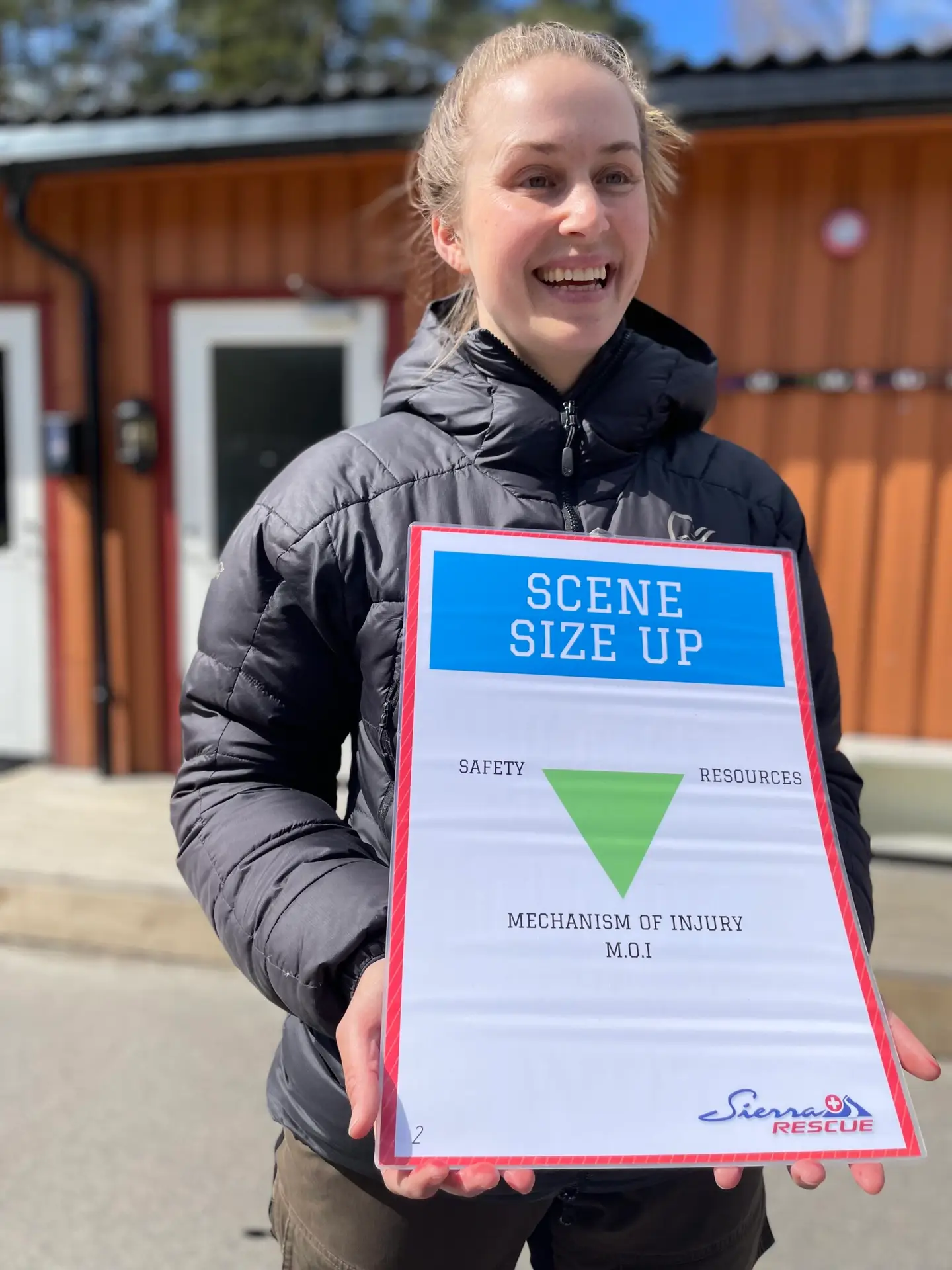
- Patient Assessment System (PAS) /Scene Survey
- PAS/Primary Survey
- Specific exploration of the
Circulatory System
- Hands-on practice for checking for pulse, controlling
bleeding, CPR - Specific exploration of Respiratory System
- Hands-on practice establishing an airway/airway
management - Specific exploration of Nervous System
- Evaluating Level of Consciousness and Maintaining
Spine stability - Basic Life Support Lab / AED’s / CPR testing
- S.T.O.P
- Trauma Scenarios (Nervous System injuries/Increased
ICP, Concussion, Head wounds, Respiratory injuries/
Respiratory distress, Circulatory Injuries/ Volume
Shock)
Traumatic Injuries
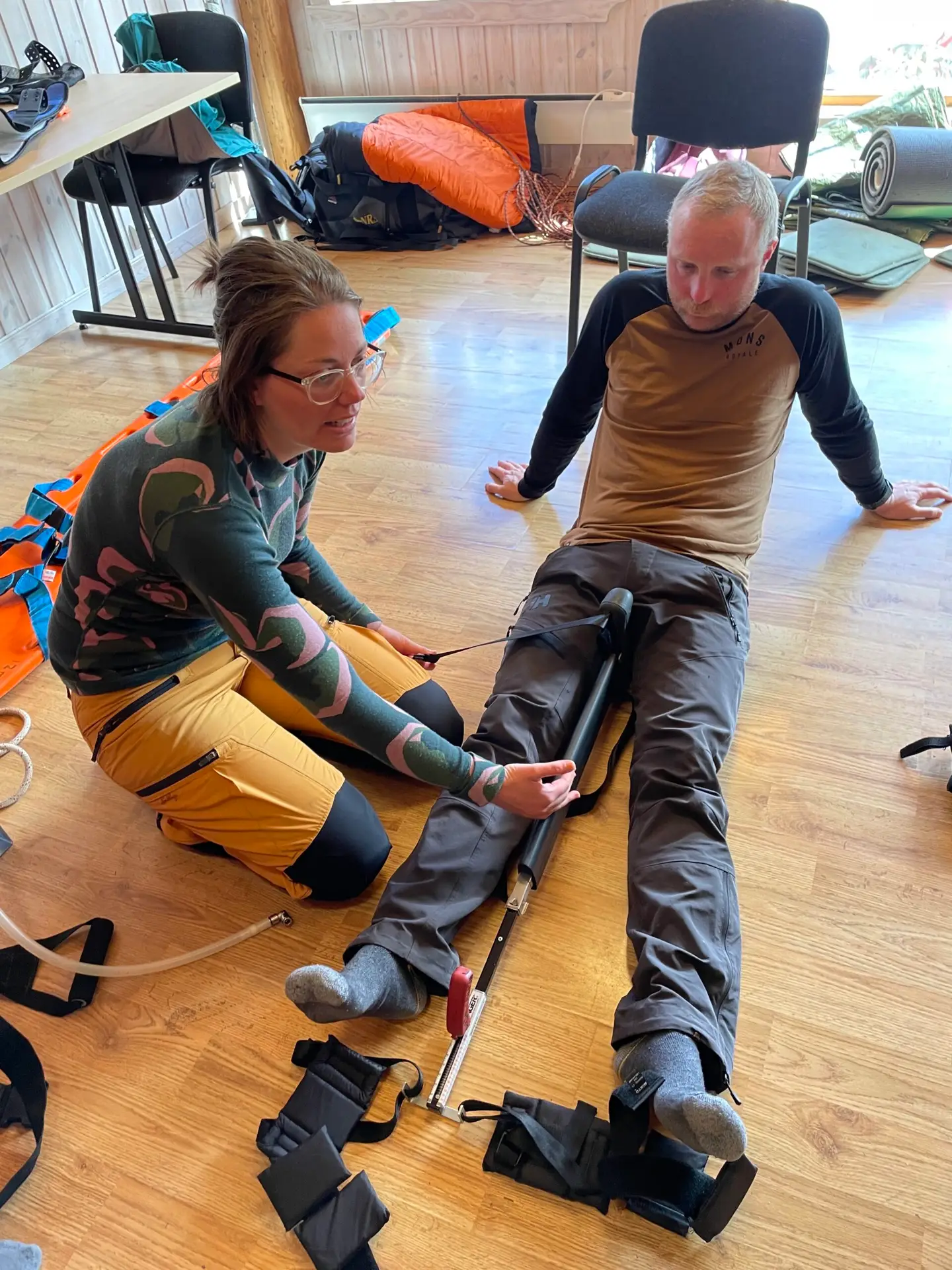
- Stable and Unstable Musculoskeletal Injuries
- 1:1 Splinting Lab
- Dislocations Lab
- Wounds, Infections, Burns
- Wounds Lab/ Includes irrigation, punctured objects and
fish hook removal - Spine Assessment and Lab
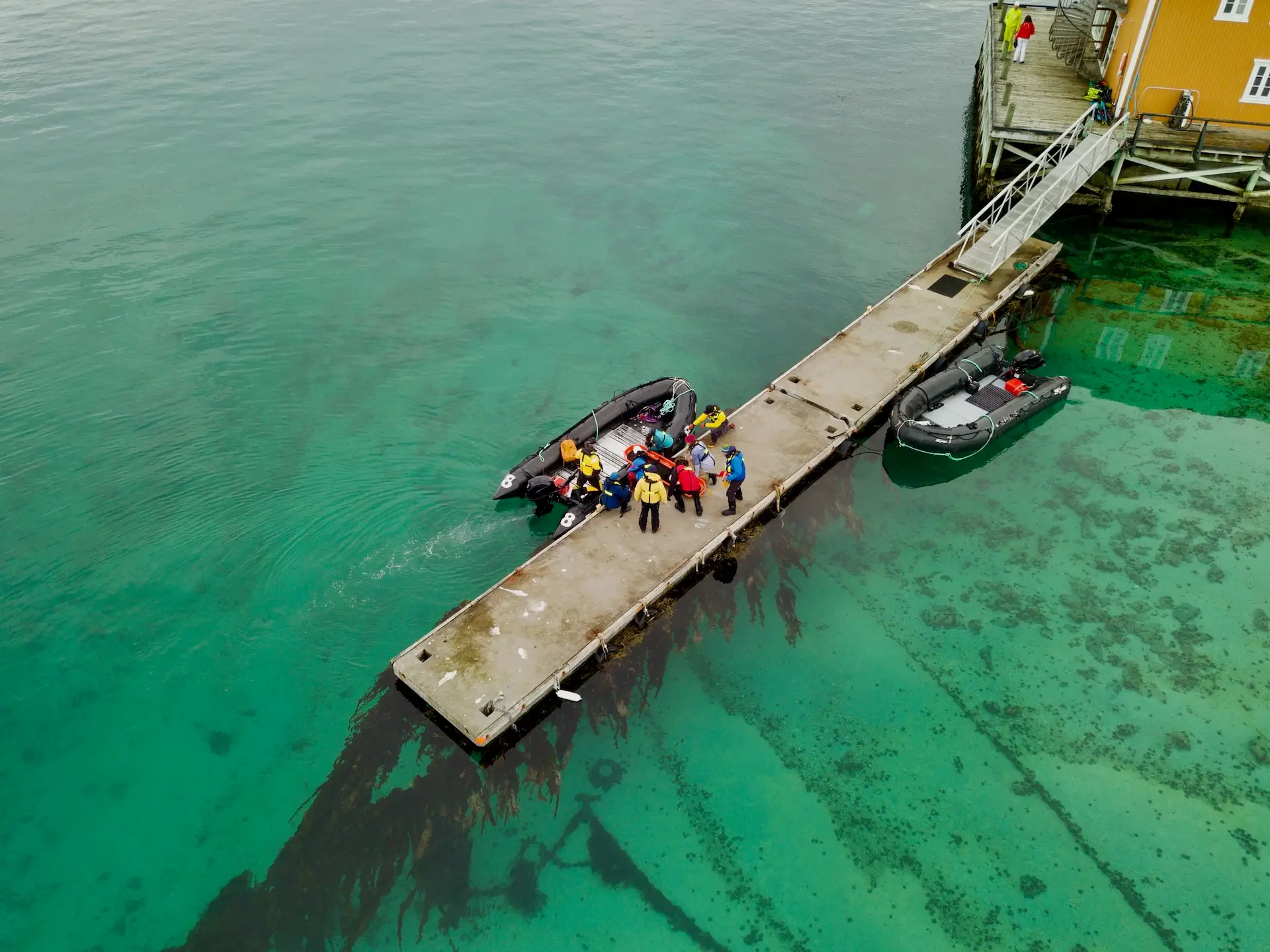
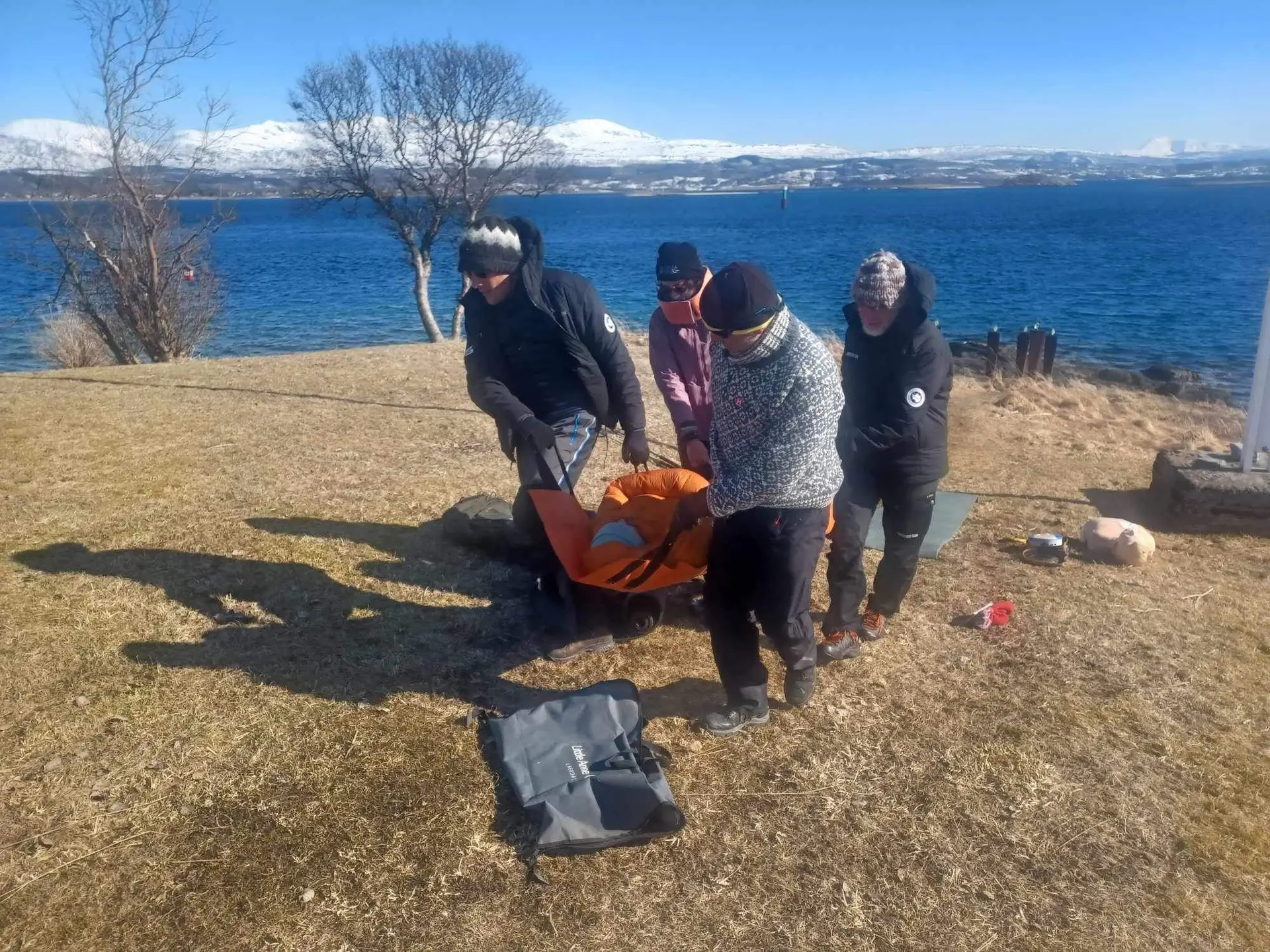
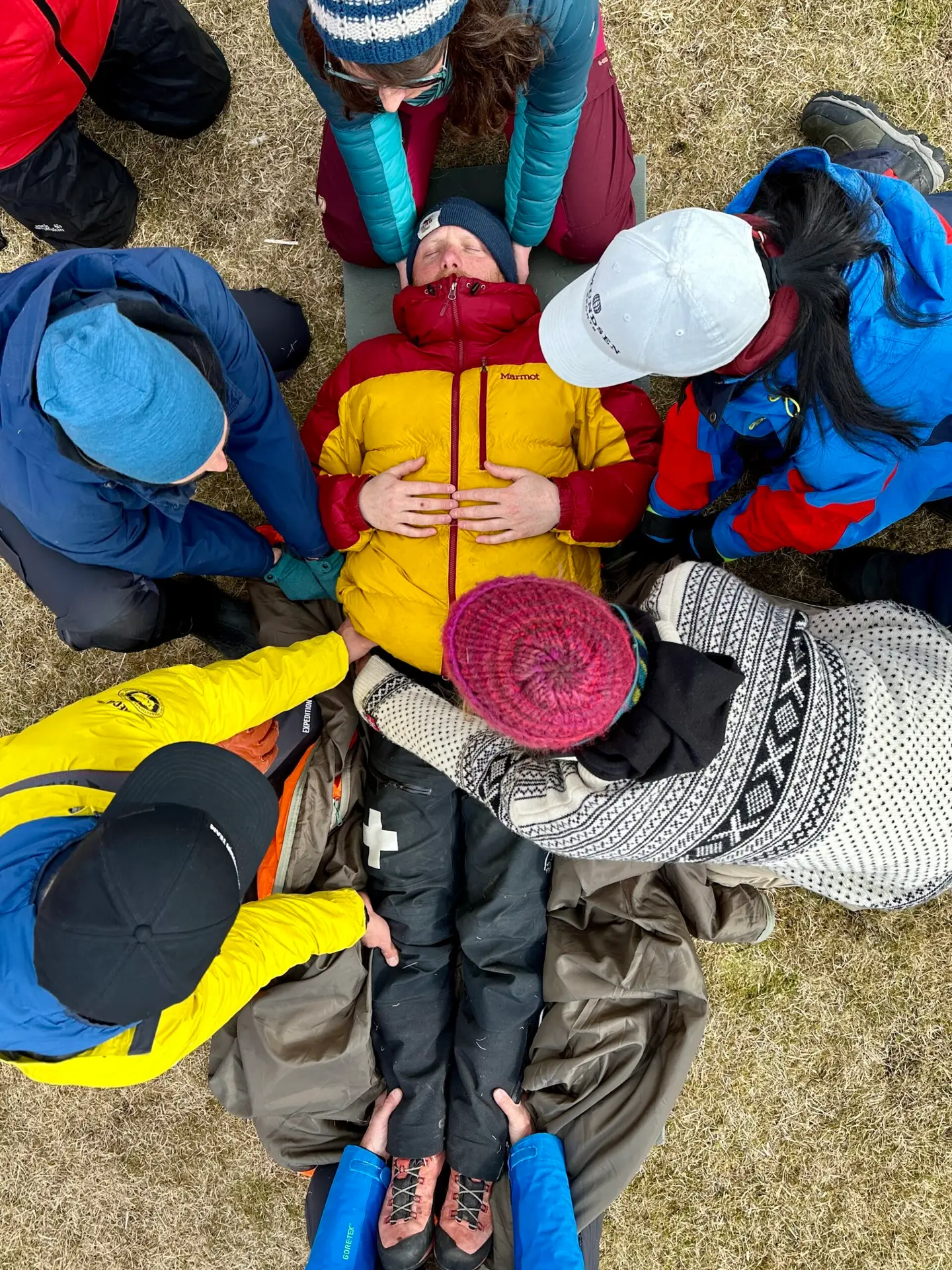
- Spine Management Lab/ Moving spine-injured patients,
back-boarding, litters - Patient Assessment System (PAS) Part 2
- Hands-on field exercises/ Two on One Patient
Assessment : 3 Rotations
Environmental
- Environmental Mini Scenarios
- Heat Problems (Heat Stroke, Heat Exhaustion,
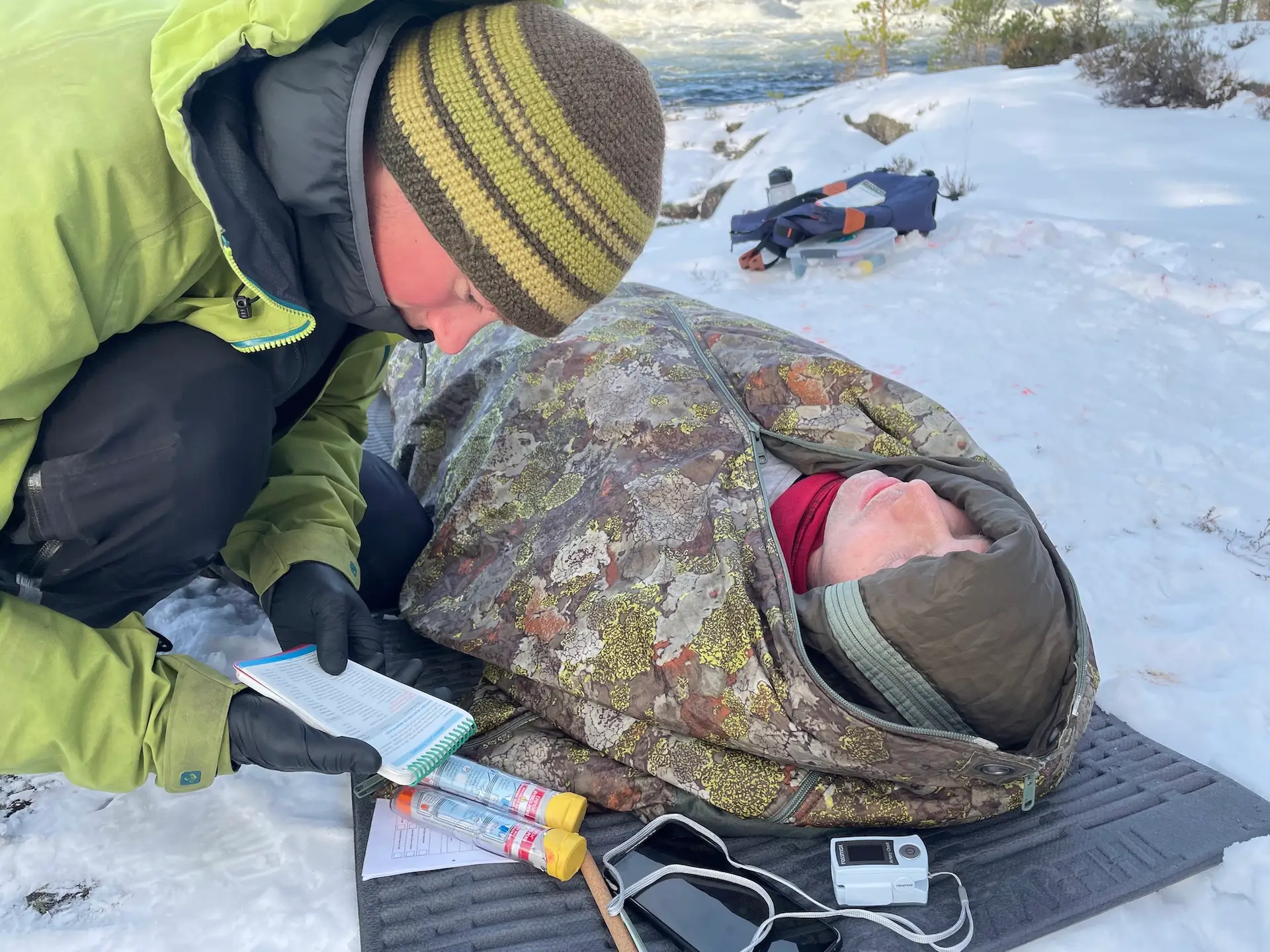
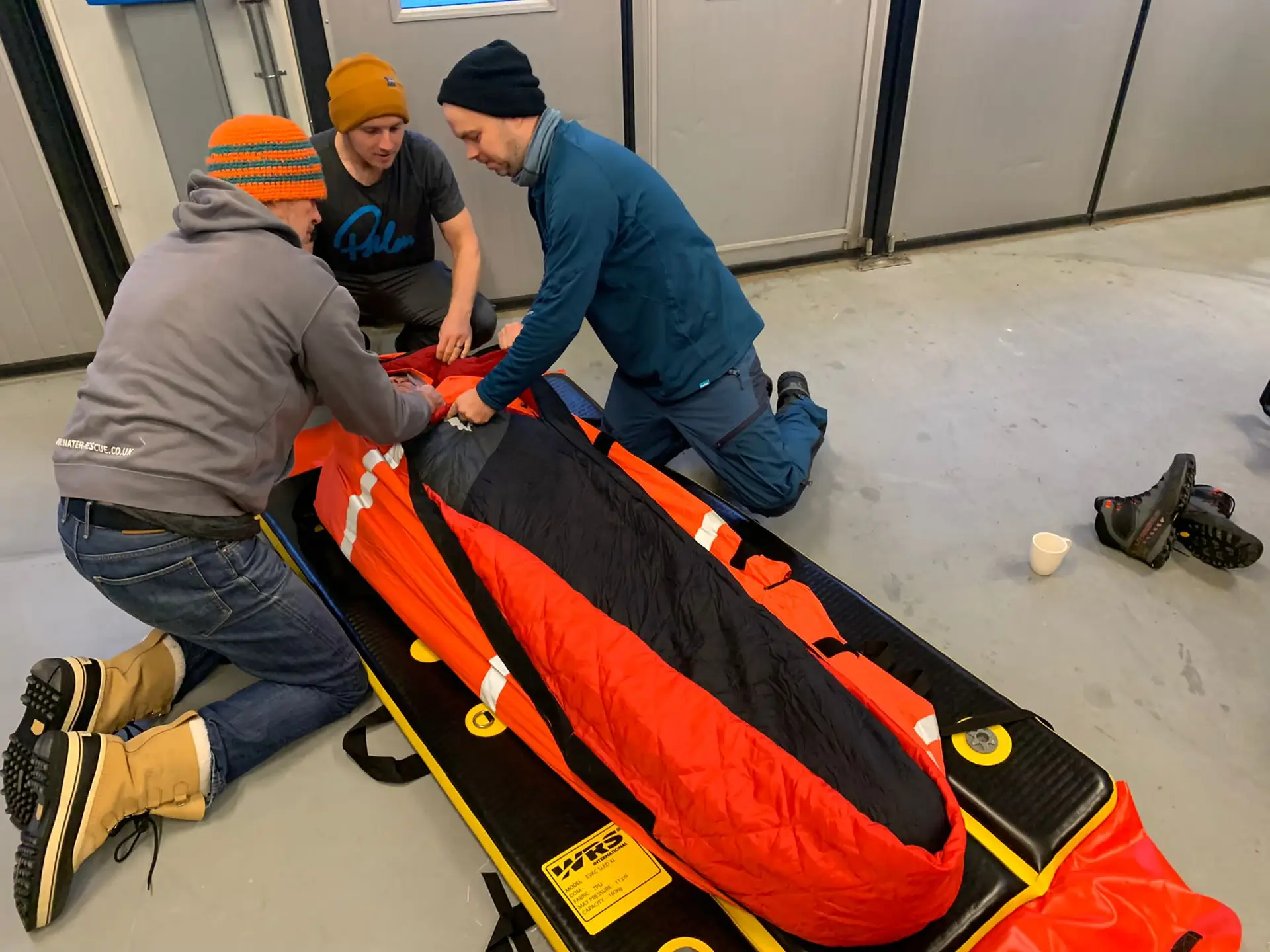
Electrolyte Sickness, Sunburn) - Hypothermia Lab
- Drowning
- Toxins, Bites and Stings
- Anaphylaxis/Allergies
- Injections Lab
- Altitude
- Lightning
- More two on one patient field assessments: 3 rotations
Introduction to Medical
- Mini Medical Scenarios (Gastrointestinal problems,
Genitourinary System, Diabetes, Asthma, Heart
problems, Stroke) - MCI/ group scenarios
- Wilderness First Aid Kits
- Course Closure and Paperwork
A Wilderness First Aid (WFA) course is a practical, scenario-based first aid training designed for situations where professional help may be hours away. Unlike standard first aid courses, WFA focuses on assessment, decision-making, and treatment in remote outdoor environments.
This course is ideal for:
- Hikers, skiers, and outdoor enthusiasts
- Guides and instructors
- Expedition participants
- Scouts and outdoor leaders
- Anyone spending time in remote or alpine environments
No prior medical experience is required, and the course is suitable for beginners as well as those wanting to refresh their skills
The course is primarily hands-on and scenario-based, with most of the training taking place outdoors. You will work through realistic emergency situations, practising skills in environments similar to where incidents actually occur.
There is minimal classroom teaching, with a strong focus on:
- Practical skills training
- Realistic simulations
- Team-based problem solving
- Decision-making under pressure
This approach reflects best practice in wilderness medicine training.
The course runs over 2 days (16 hours) of in-person training. This duration ensures enough time to cover essential skills while allowing for extensive practical scenarios.
You will learn how to assess and manage common medical and traumatic emergencies in remote settings, including:
- Patient assessment and decision-making
- Managing injuries (fractures, wounds, head injuries)
- Environmental conditions (hypothermia, heat illness)
- Evacuation planning and improvisation
- CPR, AED use, and basic life support
The emphasis is on what to do when help is delayed or unavailable.
Yes. Upon successful completion, you will receive:
- A 16-hour Wilderness First Aid (WFA) certification (valid for 3 years)
- CPR and AED certification aligned with recognised international guidelines
This meets or exceeds the requirements for most outdoor and guiding roles.
Yes. The course follows the standards of the Wilderness Medicine Education Collaborative (WMEC), which recommends a minimum of 16 hours of in-person training for WFA certification.
These standards are widely recognised across the outdoor and adventure industry.
Traditional first aid assumes that emergency services will arrive quickly. Wilderness First Aid is different because it prepares you to:
- Manage patients for extended periods
- Make independent decisions
- Use limited equipment
- Improvise solutions in remote environments
No formal preparation is required. However, you should:
- Be ready for active participation outdoors
- Dress for the weather
- Expect physical activity and realistic scenarios
- Read the pre information handbook
The course is moderately active, as it involves outdoor scenarios, movement, and practical exercises. You do not need to be highly fit, but you should be comfortable participating in outdoor activities.
Wilderness medicine is best learned in the environment where it is applied. Training outdoors improves:
- Skill retention
- Realism
- Confidence in real situations
This is why in-person, scenario-based training is considered essential in WFA education.
- Strong focus on realistic outdoor scenarios
- Minimal classroom time
- Practical, hands-on learning
- European/Nordic outdoor context
- Emphasis on decision-making, not just theory
Kr. 7000